Gov. Abbott Halts State Funding for Flock License Plate Cameras Amid Houston-Area Misuse Cases
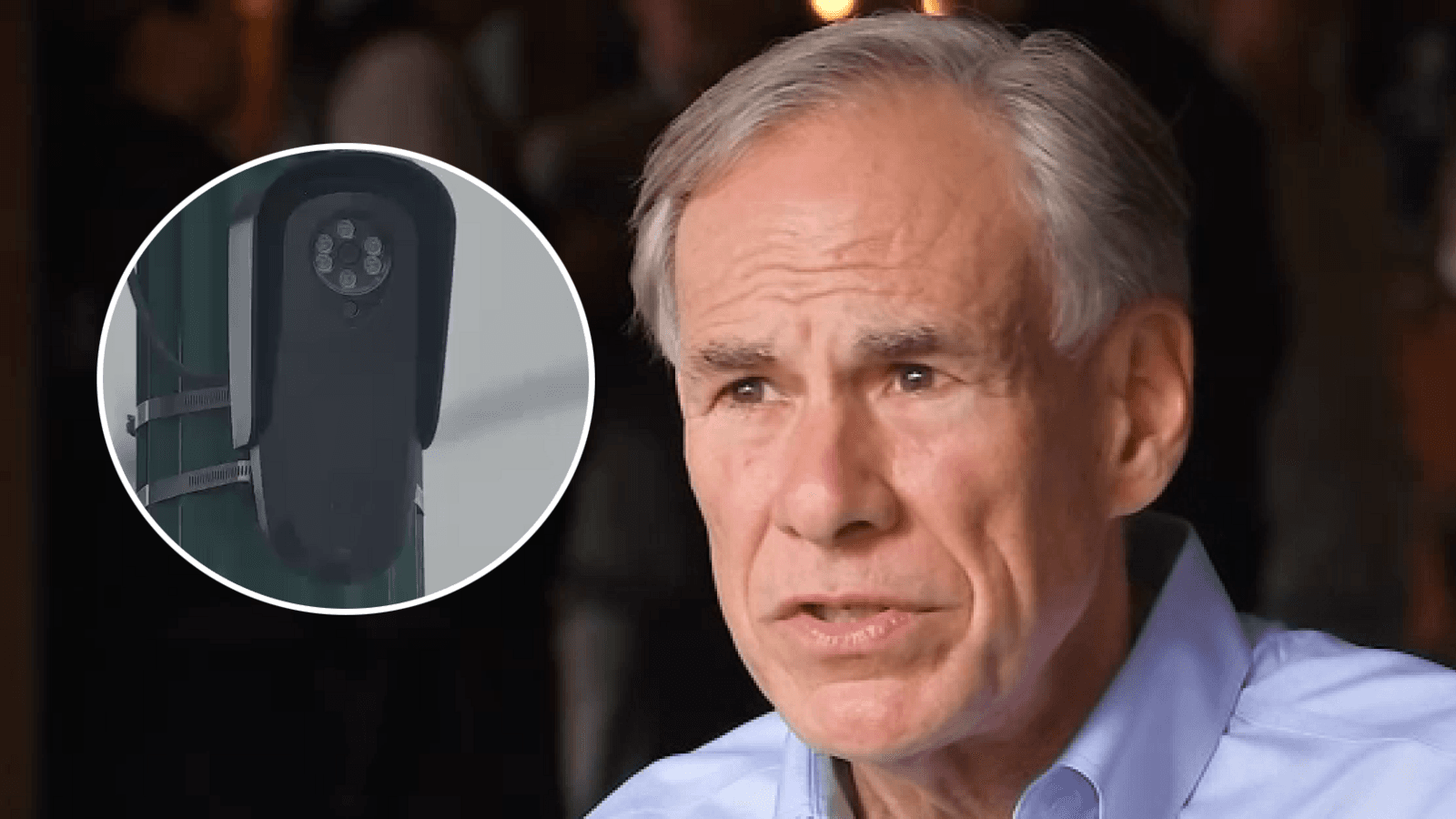
Gov. Greg Abbott has told every state agency in Texas to stop spending money on Flock Safety license plate cameras. The order follows a summer of misuse allegations, canceled contracts and privacy complaints from Houston-area cities and police departments.
Abbott's spokesman, Andrew Mahaleris, confirmed the order Friday, saying it went out Thursday night. "To the extent that cities get any funding for those cameras, most of it comes from the federal government. To the extent any funding comes from Texas agencies, those agencies are clarifying that those funds cannot be used for Flock cameras," Mahaleris said.
The timing lines up with an investigation showing the Motor Vehicle Crime Prevention Authority, a board mostly appointed by Abbott, has funneled at least $30 million into Texas's Flock network since 2023 and helped install more than 3,200 of the cameras statewide. The authority's money came from a 2023 law that added a $1 fee to auto insurance policies to fight catalytic converter theft. Lawmakers told reporters there was no discussion of spending that money on license plate cameras before the bill passed unanimously in both chambers. The Texas Department of Public Safety alone has installed almost 1,200 cameras under a three-year, $15.9 million contract tied to those funds.
Flock cameras use artificial intelligence to log a vehicle's make, model, color and identifying features like dents or bumper stickers as it passes. Police departments that opt in can search each other's camera data anywhere in the country through Flock's national lookup system, a feature that has drawn complaints from both parties in the Legislature over how much information moves between agencies with little oversight.
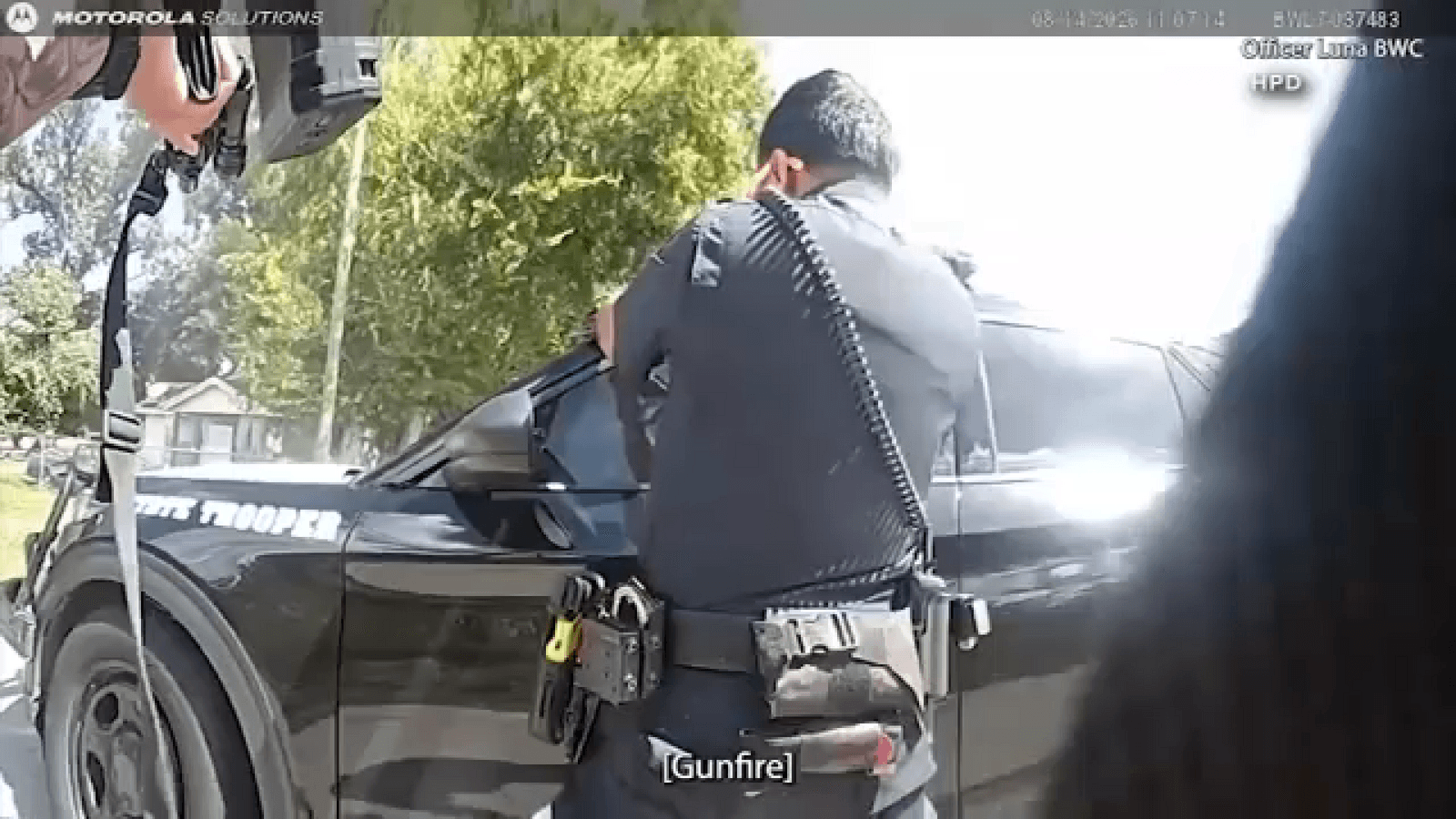
The Houston Police Department confirmed this week it is investigating an undisclosed number of officers for potential policy violations tied to their use of the camera system, after the department said Flock's own software flagged unusual search patterns and turned the matter over to internal affairs. Houston Police Officers' Union President Douglas Griffith said he expects most flagged cases to trace back to training gaps rather than deliberate misconduct, though he did not rule out more serious findings.
A former Katy police officer, Sergio Guadalupe Rodriguez, is charged with stalking and misuse of official information after investigators said he used Flock cameras and a tracking device to follow his ex-wife. Three Harris County deputies had their Flock access suspended earlier this month during a review of potential misconduct. Abbott, speaking Friday on a radio program, cited a Lufkin police officer facing 100 counts of misusing public information for allegedly using local Flock cameras to track 11 people over more than a year, and said at least six Texas police departments or sheriff's offices have placed officers on leave, opened investigations or filed charges in the past month alone.
Local governments and homeowners associations have also faced complaints about the cameras. Manvel Mayor Dan Davis posted this week that he can no longer support his city's Flock contract, pointing to concerns about data sharing, cybersecurity, cost and the broader corporate network the cameras feed into. Davis said the matter will go before Manvel's city council for a formal vote, and he plans to ask fellow council members to end the relationship and remove the cameras. In Montgomery County, residents of the gated Indigo Lake Estates community said their homeowners association installed Flock cameras at all three neighborhood entrances without seeking resident input, and said the HOA's own policy documents gave conflicting counts of how many outside agencies have access to the footage. League City has placed a Flock question on its November ballot, and Conroe council members said they received threats after a council vote on the cameras there.
Flock Safety, the company behind the devices, said in a statement it supports "thoughtful legislation" with privacy safeguards while preserving the tool for solving crimes and recovering stolen vehicles. Abbott, in his radio remarks, framed the state's response as a "crackdown" rather than an outright ban, saying Flock use "is being reduced dramatically" through a mix of contract cancellations and criminal cases and that the cameras "are going to be required to be used responsibly if they're used at all."
Democratic gubernatorial candidate Rep. Gina Hinojosa released an ad this week blaming Abbott for the spread of the cameras statewide, calling them a form of warrantless surveillance. U.S. Rep. Keith Self, a Republican from McKinney, introduced federal legislation in July that would require warrants before federal agencies could access Flock data.
Abbott's order stops new state money from flowing into the camera network, but it does not undo existing local contracts or force cities to remove cameras already installed. That decision now sits with individual city councils and HOA boards across the Houston area, including Manvel's, which is expected to take up the issue at an upcoming meeting.