Houston Voters to Decide Fate of Marijuana Enforcement, No-Knock Warrant Ban This November
Houston voters will decide on Nov. 3 whether to lock into the city charter two policing changes that Mayor John Whitmire says are already in effect: treating low-level marijuana possession as the lowest enforcement priority for police and banning no-knock warrants outright.
Houston City Council voted this week to place the measure, known as the Houston Freedom Act, on the November ballot. The council acted after a petition drive organized by Ground Game Texas, a statewide social justice organization, gathered roughly 40,000 verified signatures from Houston residents calling for a public vote on the policies.
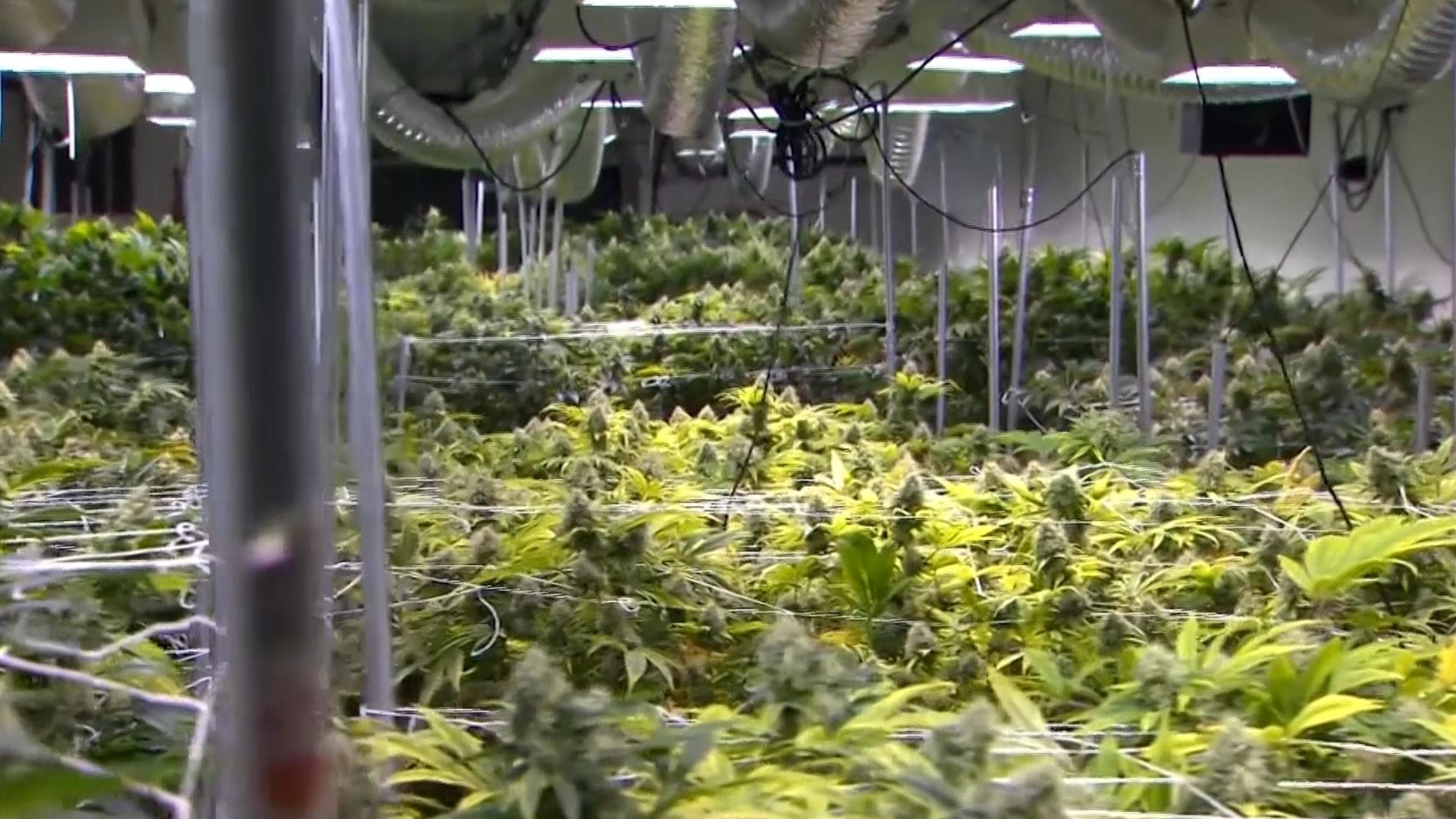
If approved, the charter amendment would require the Houston Police Department to make enforcement of Class A and Class B misdemeanor marijuana possession its lowest possible priority. The measure would not legalize marijuana, which remains illegal under state law. Instead, it would set enforcement priorities for HPD and require the department to support diversion options where legally allowed. The city would also have to publicly report on marijuana enforcement activity, including arrests, citations, testing costs and the staff time devoted to those cases.
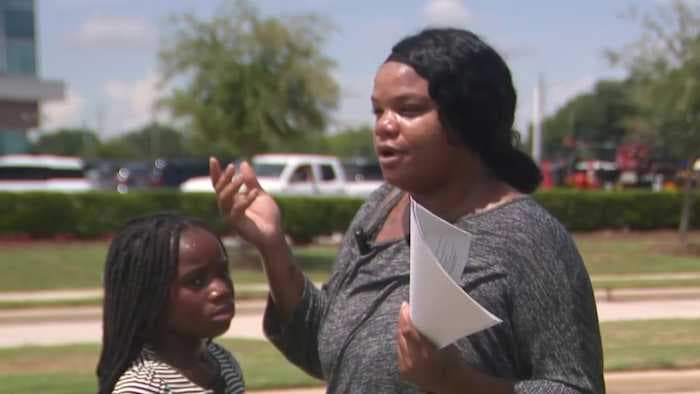
One resident who spoke to City Council in support of the measure argued that HPD's limited resources are better spent elsewhere. "HPD should be spending more time going after hard drug offenses versus small cannabis offenses," the speaker said.
The second piece of the measure would prohibit Houston police officers from requesting, executing or taking part in a no-knock warrant. Officers would instead be required to knock, announce themselves and wait at least 15 seconds before entering a residence.
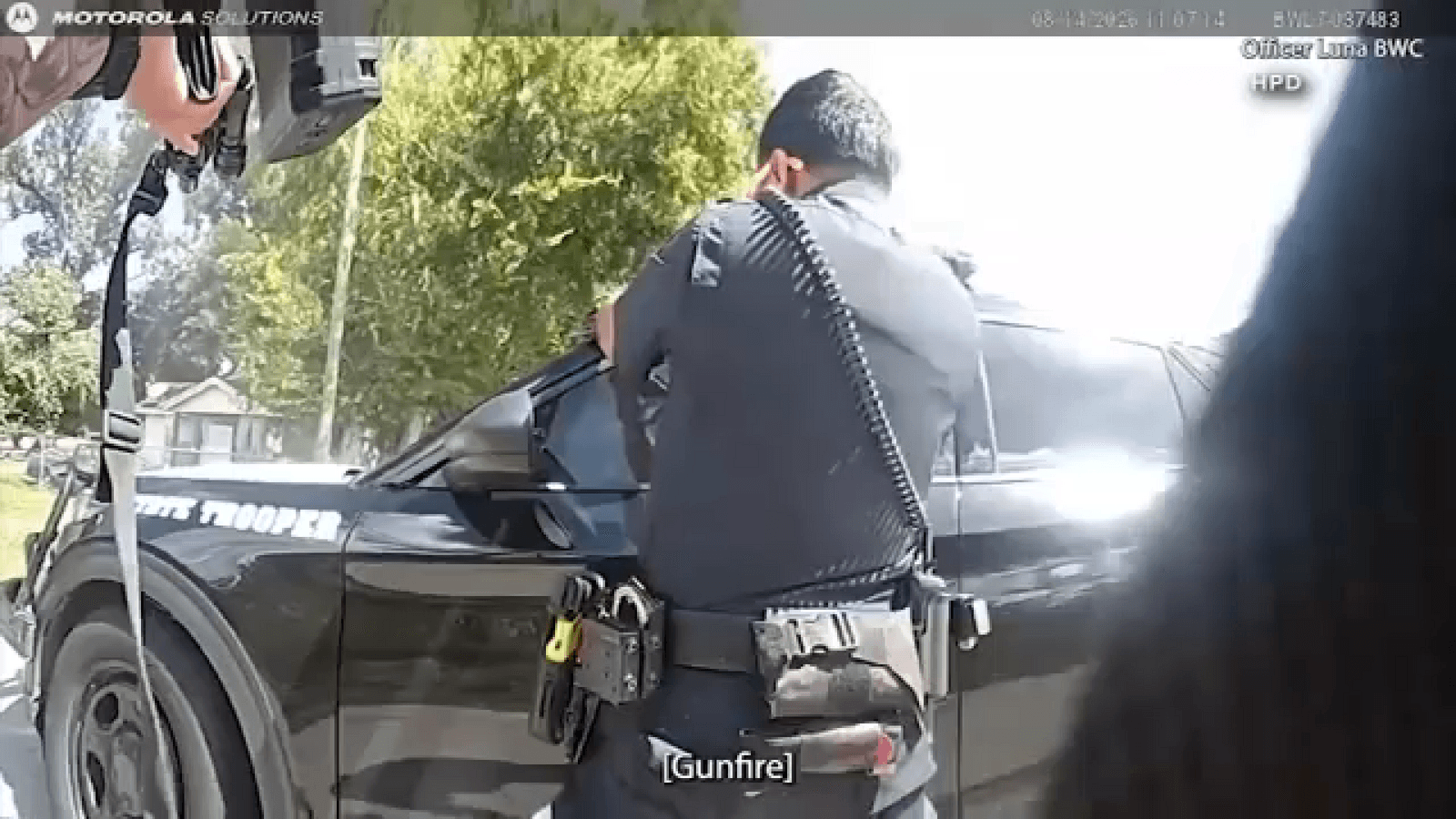
That provision traces back to the 2019 Harding Street raid, in which Houston police used a no-knock warrant to enter a southeast Houston home and killed Dennis Tuttle and Rhogena Nicholas in the resulting gunfire. Federal prosecutors found that former HPD officer Gerald Goines had lied to obtain the warrant. Goines was convicted of murder and sentenced to 60 years in prison. HPD tightened its rules on no-knock warrants after the raid but stopped short of banning them.
Whitmire said the city already operates under the policies the ballot measure would formalize. "We already have a no-knock policy," the mayor said, adding that low-level marijuana enforcement "hasn't been a priority in, quite frankly, a long time." He said the city has held officers accountable for the Harding Street raid and that the department has not served a no-knock warrant since his administration began, a practice he traced back to former Mayor Sylvester Turner's tenure.
At-Large Council Member Sallie Alcorn said writing the policies into the charter would lock in practices that currently exist only as internal department policy, which could be changed by a future police chief or mayor without public input. Ground Game Texas's executive director said the ballot measure is about accountability. The measure would give residents a formal, enforceable check on how police set enforcement priorities, rather than relying on informal assurances from City Hall.
The marijuana question is not new territory for Ground Game Texas. The group has organized similar decriminalization petition drives in Austin, San Marcos, Killeen, Elgin and Denton, and voters in each of those cities approved the measures. Texas Attorney General Ken Paxton sued several of those cities in 2024, arguing that local ordinances limiting marijuana enforcement conflict with state drug law. A state appeals court sided with Paxton in cases involving Austin and San Marcos, blocking those cities from enforcing their measures. Paxton also sued Dallas after voters there approved a similar measure. It is not yet known whether Paxton would take similar action against Houston if voters approve the Freedom Act.
Houston's measure differs from some of those other city ordinances in scope, combining marijuana enforcement with the no-knock warrant restrictions in a single charter amendment rather than addressing marijuana alone. Backers of the measure say the two policing issues share a common aim: reducing unnecessary police contact and enforcement in low-level cases.
The proposition will appear on ballots for eligible Houston voters on Nov. 3, alongside other municipal and county races. City Council's vote to place the measure on the ballot was procedural. The outcome now rests with voters on Election Day.