James Elmore Jr. Gets 20 Years in Texas Killing Fields Case Tied to Laura Miller's 1984 Death
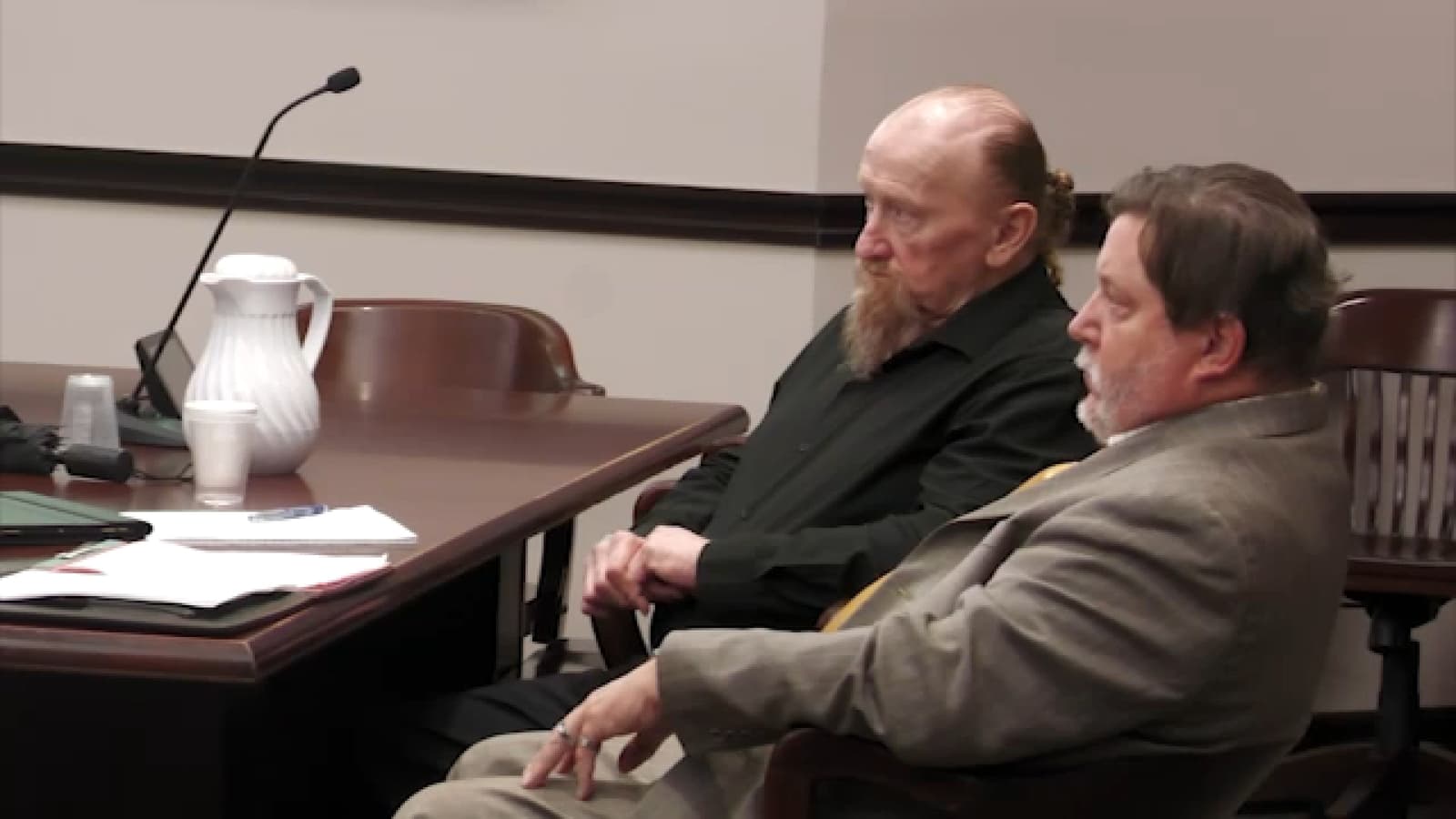
A Galveston County jury sentenced James Elmore Jr. to 20 years in prison and fined him $10,000 this week for manslaughter in the 1984 death of 16-year-old Laura Miller, ending a criminal case that took more than four decades to reach a courtroom.
Jurors convicted Elmore, 61, on Tuesday following a trial that lasted three days. He elected to have the same jury decide his punishment, and they returned with the maximum sentence allowed for the manslaughter charge. Prosecutors say Elmore prepared the cocaine that longtime suspect Clyde Hedrick gave Laura in September 1984 and that Elmore later helped move and conceal her body in the overgrown field off Calder Road in League City that became known as the Texas Killing Fields. Laura's remains were not found until February 2, 1986.
Hedrick had been the primary suspect in Laura's death and in the deaths of at least three other women found in the same area: Heidi Villarreal-Fye, Donna Prudhomme and Audrey Cook. He died by suicide in March while in state prison custody, as prosecutors were preparing to take the Killing Fields cases to a grand jury. That left Elmore as the only person suspected in Laura's death who was still alive.
The case against Elmore did not come together until 2022, when Elmore called Laura's father, Tim Miller, and asked for help finding his own missing adult daughter. During the search, prosecutors say, Elmore began giving Miller information about Laura's death. Miller testified that he wanted a record of what Elmore was telling him, so the two got into a car with a camera running. Jurors watched nearly two hours of that recording, which showed Elmore and Miller driving through League City to the Calder Road site, to Hedrick's former home, and to a cemetery where Laura used to spend time, a detail Miller said no one else knew and one that convinced him Elmore was telling the truth. On the recording, Elmore is heard describing Laura's final moments and saying, "We took Laura and dropped her over here."
Miller testified that he and Elmore met 40 to 50 times over the following years and that he paid Elmore roughly $33,000 for information about his daughter's case. Elmore's defense attorney, William Agnew, used those payments to argue Elmore had a financial motive to feed Miller information, true or not. Two of Elmore's sisters, Debra Warren and Pamela Croft, testified for the defense that their brother was a longtime con man who would say anything for money. "I'm just telling you what I know to be true. He's lying to y'all. Period," Croft told jurors.
A separate issue surfaced during the trial when Elmore's former defense attorney, Jessica Ebbs, came forward with a letter describing a proposed immunity agreement she said she had negotiated with the previous Galveston County district attorney's office on Elmore's behalf. The agreement was never finalized, and Judge Jeth Jones ruled there was no evidence a deal existed, deciding the issue would be too confusing to introduce to jurors that late in the trial.
At sentencing, prosecutor Kate Willis introduced evidence that a search warrant had turned up child pornography on Elmore's phone, unrelated to the Killing Fields case but presented to jurors as character evidence. "James Elmore was not only a predator in the 1980s, he is still a predator now," Willis told the court.
Miller delivered a victim impact statement directly to Elmore, who did not look up during it. "I remember the first day I met you, when your daughter was missing. I did everything I could to bring your daughter home safely, knowing you murdered mine," Miller said. He closed by telling Elmore, "I wish you the best. Unfortunately, you're going to die in prison." Miller told reporters afterward that Elmore never met his gaze and that he had briefly considered bringing Elmore a Bible, as he once did for Hedrick, but wasn't ready to offer forgiveness. "It's a tough one," he said.
Miller credited Galveston County sheriff's Detective Corey Williams with reopening the investigation two years ago after decades of dead ends. "Corey Williams, in two years, did what nobody else could do in 40 years," Miller said, noting the case had passed through six League City police chiefs and eleven investigators, plus the FBI, without a breakthrough. Williams said he told Miller early on that he wouldn't stop working the case. "I have a daughter. I would do the same thing for my daughter," he said.
Felony Division Chief Adam Poole called the verdict significant for a county that grew up under the shadow of the case. "It was kind of a cloud on the community, a cloud on the county that is now, at least with this first trial, been lifted," Poole said. Laura's death led Miller to found Texas EquuSearch, the search-and-rescue nonprofit that has since helped locate thousands of missing people nationwide.
Miller said the sentencing does not end his work. Investigators have not closed the cases of Villarreal-Fye, Prudhomme and Cook, and Miller said he intends to keep pushing for answers in those deaths. "There are some other girls out there," he said. "We're going to do everything we can to find them and bring a little bit of closure to some more families."