Rice University survey finds 49% of Houston-area households earning under $25,000 say they are unprepared for natural disasters

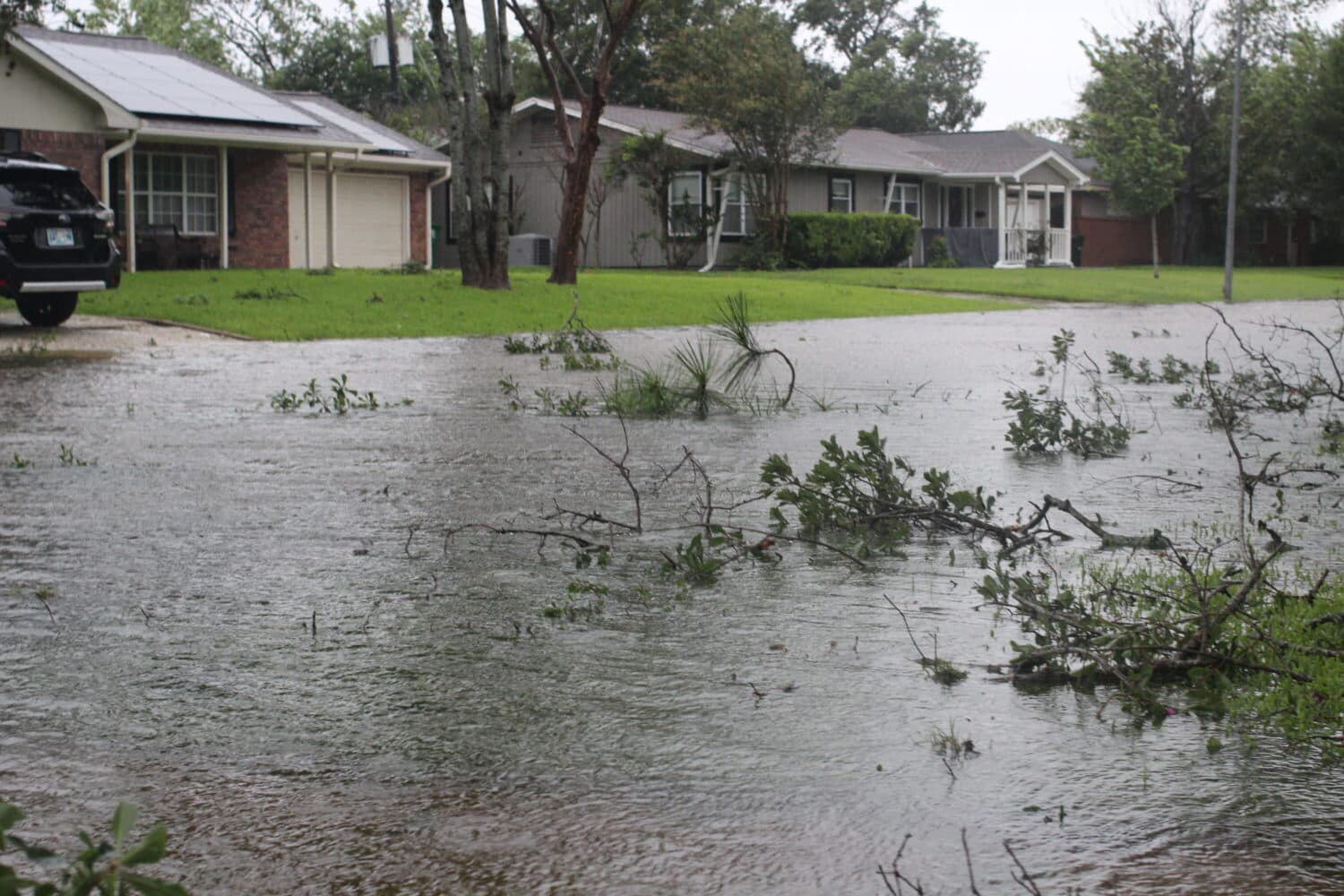
The Rice University survey found nearly half of households earning under $25,000 said they would be unprepared if disaster struck, and generator ownership differed sharply by neighborhood, from 70% in Magnolia to 18% in the Medical Center, Museum District and Third Ward.
A Rice University survey of Houston-area residents found that income was a determining factor in whether households are ready for natural disasters. Forty-nine percent of participants from households making less than $25,000 said they would be "not at all" or "not too prepared" if disaster struck, according to the survey.
The same survey found that lower-income households were less likely than households making $150,000 or more to do things such as documenting and insuring property and saving money for emergencies. They were also the least likely to own a generator.
Daniel Potter, co-director of the Houston Population Research Center at Rice's Kinder Institute for Urban Research, said preparation work that costs money is harder for people with less money to do.
"Whereas for folks that are making more money, they may find that a little bit easier to do, and so this ultimately contributes to people taking different numbers of steps based upon the resources that they have," Potter said.
Across the Houston area, residents reported taking five of the 10 precautionary actions in FEMA's National Household Survey, on average. They included signing up for weather reports and insuring property. Making emergency plans and practicing drills were done less often.
The survey also measured generator ownership after Hurricane Beryl left millions without power in Houston in 2024. Forty-nine percent of participants who bought generators bought one during or after Beryl, the survey showed. More than half of Houston-area residents still did not own a generator.
Generator ownership varied by county. In Montgomery County, more than half of respondents reported owning one. In Harris County, 38% owned one. In Fort Bend County, 35% owned one.
Differences were larger inside neighborhoods. The survey found that 70% of residents in Magnolia have generators, compared with 18% in the Medical Center, Museum District and Third Ward.
Potter said organizations such as West Street Recovery and United Way can help low-income residents prepare. He also said staying connected to alerts and emergency networks is one of the best ways to get ready.
"Houston, unfortunately, is a 12-month-a-year disaster zone, and so it's not just about paying attention during hurricane season, but getting plugged in and being aware of what's going on throughout the year to make sure folks are ready to be prepared," Potter said. "It's not going to stop that disaster from happening, but it'll hopefully situate people to be better able to recover."
The survey included Fort Bend and Montgomery counties for the first time. Potter said the Greater Houston Community Panels will begin including Galveston County in late 2026 or early 2027.