Deer Park police suspended officer Brandon Williams for 10 days after he used license plate reader cameras 165 times for personal use.
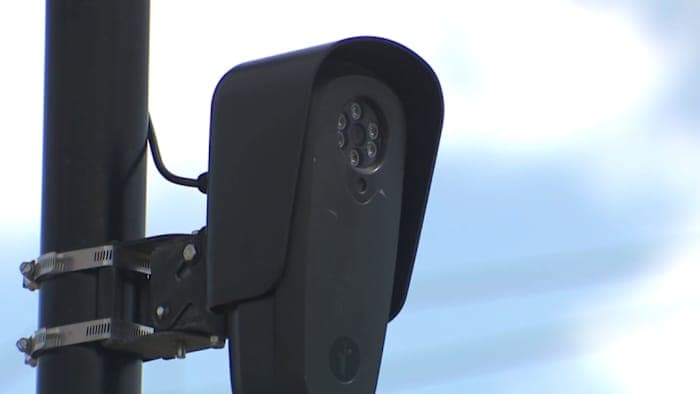
Deer Park police suspended officer Brandon Williams for 10 days after an internal audit found he used the department's license plate reader cameras 165 times for personal use. He has been reassigned to community services, and the department has added new safeguards along with a public transparency portal detailing its camera use.
A Deer Park police officer has been suspended for 10 days after the department's own internal audit found he used license plate reader cameras for personal reasons, running plates 165 times outside of any investigation.
The officer, Brandon Williams, has been reassigned to community services following the suspension, according to the Deer Park Police Department. Police Lieutenant Bryan Miller said the misuse surfaced during a routine department review, which led to a formal investigation into how Williams was using the license plate reader system.
"Since then, we put up safeguards," Miller said.
The cameras, made by the company Flock, scan and log license plates as vehicles pass, building a searchable record that officers can use to track vehicles connected to crimes. Deer Park police say the system has helped solve cases involving child abductions, Amber Alerts and Silver Alerts. After the Williams case, Miller said, he began conducting a daily internal audit of how the cameras are being used.
The department has also launched a public transparency portal on the Flock website laying out how the technology is deployed in Deer Park. The portal lists the number of license plate reader cameras the department operates, how many plates have been scanned, and details on vehicles or people officers are actively tracking as part of criminal investigations.
Miller said photos tied to license plate scans are deleted after 30 days, even though Flock has begun recommending departments cut that window to seven days. Deer Park is not following that recommendation, he said, because investigators sometimes need to pull plate data tied to cases that are still open weeks later. Flock does offer what it calls "evidence mode," which lets officers flag specific plates or vehicles connected to a case so that data is preserved beyond the standard retention window. But Miller said Deer Park's default 30-day deletion policy remains unchanged.
"After 30 days, the photo of your license plate in your vehicle gets deleted," Miller said.
Residents reacted to news of the suspension with mixed confidence in the department's ability to police its own use of the technology. One community member said the department needs tighter control over who can access the plate data. Another resident said this is not the first time the technology has been misused and said they worry it will happen again.
Miller did not dispute that the incident could damage public trust.
"There's going to be a little bit of doubt, which I hate," he said.
Some residents have also asked whether Flock sells the plate data it collects to artificial intelligence companies or other outside groups. Miller said that, to his knowledge, the company does not do that. He also addressed concerns about the system's facial recognition capabilities, saying the images captured by the roadside cameras are not clear enough to identify a driver.
"I've gone through tons and tons of Flock pictures, and I've never been able to make out whether it's male, female, the face of someone when they're driving," Miller said. "You cannot do it."
Miller said the daily audits and the new transparency portal are meant to let officers keep using the cameras for investigations while giving residents a way to check how the system is being used. He said the daily review process he now runs will continue, with no end date set.