The University of Houston System Board of Regents cut the university's core curriculum by 48 percent, from 280 courses to 147, to comply with a new Texas law.
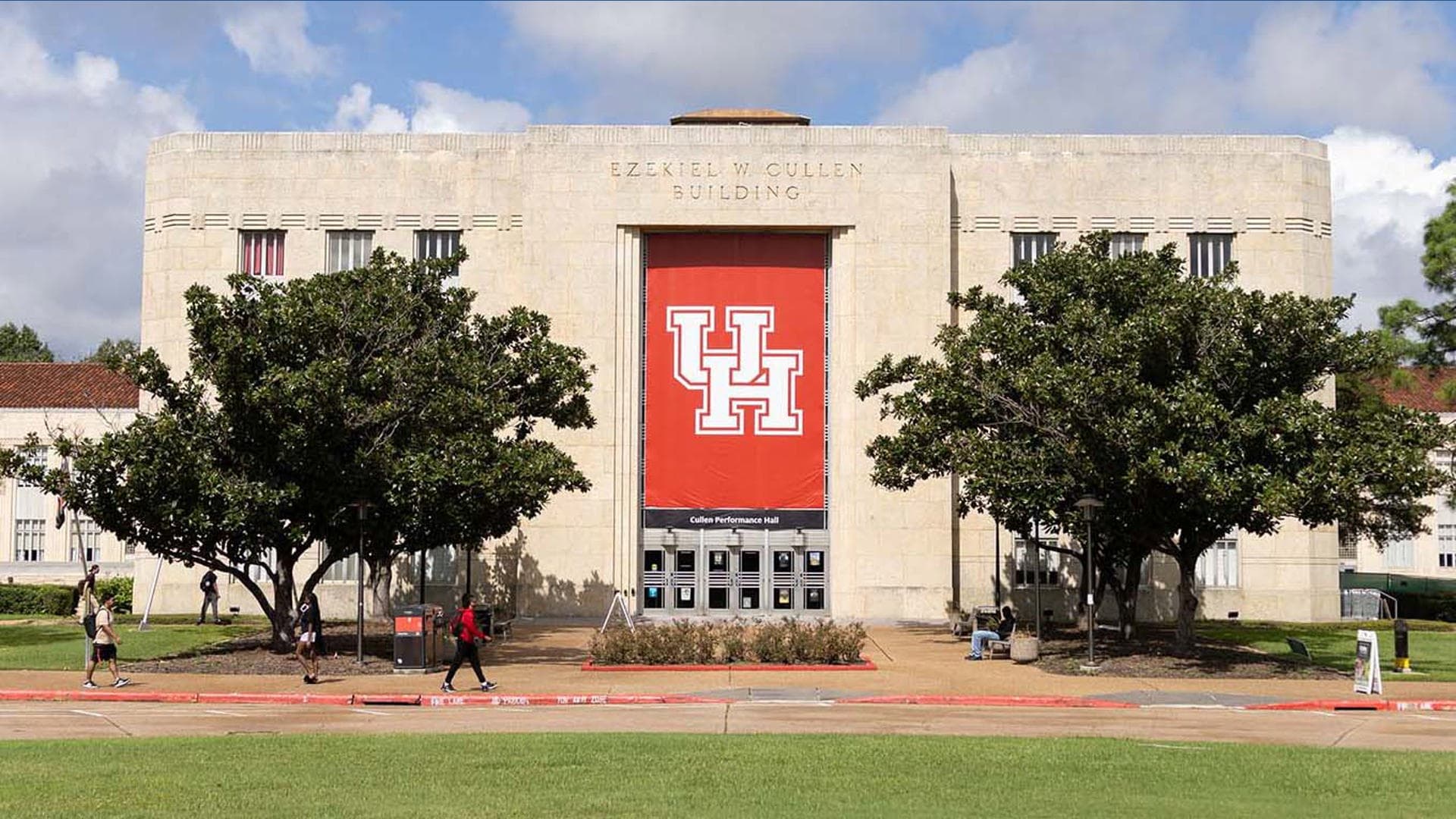
The University of Houston System Board of Regents approved removing 133 courses from the school's core curriculum on Aug. 20, cutting it from 280 courses to 147. The eliminated classes, including titles like 'Sexuality and Society' and 'Introduction to Hispanic Literature,' will still be offered as electives but no longer count toward the general education requirements every undergraduate must complete. The reduction stems from a new Texas law governing core curricula at public universities, and a faculty committee appointed by the provost reviewed the courses between June and July before the board's vote.
The University of Houston System Board of Regents has cut the university's core curriculum nearly in half, eliminating 133 courses to bring it in line with a new Texas law governing general education requirements at public universities.
The board approved the change Aug. 20, shrinking the core curriculum from 280 courses to 147, a reduction of 48 percent. The courses removed include titles such as "Sexuality and Society," "Introduction to Hispanic Literature" and "Hindu Religion and Identity: A Global Movement." Those classes are not disappearing from the course catalog. Students can still take them as electives, but the credits will no longer count toward the general education core every undergraduate at a Texas public university must complete.
Under the state's education code, that core runs 42 credit hours, or 14 classes, covering subjects like communication, math, life and physical sciences, language, philosophy and culture, creative arts, American history, government, social and behavioral sciences, and component areas the state designates as options. Texas law sets the framework for what counts, and the new statute tightens the rules further, requiring the University of Houston System to pare down a course list that had grown far larger than the law now permits.
Donna Cornell, general counsel at the University of Houston, said the school moved to line up its offerings with the law over the summer. Administrators formed a faculty committee in June, appointed by the provost, to go through the existing 280-course list and decide what stayed and what got dropped to electives. The committee finished its review in July, setting up the board's vote weeks later.
The cut affects every undergraduate entering the system going forward, since the core curriculum is the set of classes required of all students regardless of major. A shorter list means fewer choices for students trying to satisfy those requirements, though the university has said the electives option preserves access to the courses themselves for students who still want to take them, just without the general education credit attached.
Texas public universities have had to submit revised core curricula this year under the same law, following legislative sessions focused on what counts as general education at four-year institutions. The University of Houston's reduction is among the largest reported so far, since its course list stood well above the state's baseline before the review.
Courses on literature, religion and gender topics were among those cut. Texas lawmakers have questioned in recent sessions whether such subjects belong in mandatory general education requirements or should remain elective. The University of Houston has not detailed course-by-course reasoning for each of the 133 cuts beyond citing the faculty committee's review process.
Students already enrolled and working through the previous core list will need to check with academic advisers about how the change affects their remaining requirements, since core curriculum revisions at Texas public universities typically apply differently depending on when a student first enrolled. The University of Houston System has not announced a separate transition timeline beyond the board's Aug. 20 approval, and the revised 147-course core takes effect for the upcoming academic year.